

Yes — a trustee can face criminal prosecution, including jail or prison time, if their conduct rises to the level of theft, embezzlement, or fraud under California law. However, most trust disputes involving misconduct are resolved through civil probate proceedings rather than criminal charges. The distinction between civil breach of fiduciary duty and criminal theft is one most beneficiaries don’t understand — and it determines what remedies are available, who pursues them, and what outcomes are realistic.
If you believe a trustee has misappropriated trust assets, the civil system gives beneficiaries powerful tools: trustee removal, compelled accountings, asset recovery, and damages. The Daily Jones and Company’s fiduciary abuse and trust litigation practice handles exactly these cases — contact the firm for a free consultation to understand your options.
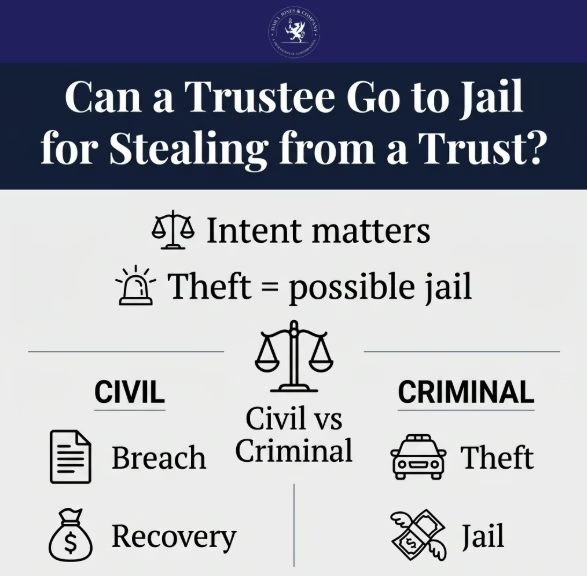
Civil Breach vs. Criminal Trustee Theft
These are two legally distinct categories, and understanding the difference is the most important thing a beneficiary can know.
- Civil breach of fiduciary duty covers negligence, poor investment decisions, accounting failures, communication lapses, and even intentional self-dealing — all actionable in probate court under California Probate Code § 16400. The remedy is financial: repayment, surcharge, removal, and in some cases double damages. No arrest. No prosecution.
- Criminal conduct involves intentional theft, fraud, embezzlement, or forgery. Under California Penal Code § 503, embezzlement is defined as the fraudulent appropriation of property by a person to whom it has been entrusted. Trustees fit squarely within that definition. When misconduct is intentional and involves personal enrichment — not just negligence — criminal exposure becomes real.
Most trust disputes involve civil remedies. Cases with intentional diversion of funds, forged documents, or concealment of assets are where criminal referrals occur.
What Actually Counts as Stealing from a Trust
The line between mismanagement and theft is often clearer in practice than it sounds in legal theory. Conduct that can constitute theft or embezzlement includes:
- Transferring trust funds into personal accounts
- Using trust money to pay personal bills or debts
- Selling trust property to family or friends below market value
- Forging signatures on trust documents or financial instruments
- Taking excessive or unauthorized compensation
- Hiding assets from beneficiaries or the probate court
- Commingling personal and trust funds
- Self-dealing investments that benefit the trustee at the expense of the trust
Trustees who fail to provide accountings, deliberately withhold financial records, or maintain inconsistent books may also find that pattern of concealment becomes evidence of the underlying theft. Under California Probate Code § 16063, trustees have specific reporting and accounting obligations — violations of which courts treat as significant red flags.
Criminal Charges a Trustee May Face
Embezzlement and Grand Theft
When a trustee intentionally diverts trust funds for personal use, they face potential charges under California Penal Code § 503. Grand theft — property stolen valued at $950 or more — is a felony under California law, carrying the possibility of state prison time. Theft of large trust assets can result in significant sentences, particularly when the misconduct was sustained over time.
Elder Financial Abuse
Many trust disputes involve elderly beneficiaries or settlors. The DOJ Elder Justice Initiative and California’s elder financial abuse statutes impose enhanced penalties when victims are over 65. As the CDC documents, financial exploitation of older adults is among the most underreported forms of elder abuse — which is precisely why probate courts and law enforcement take it seriously when it surfaces.
Fraud and Forgery
Falsifying trust accountings, forging signatures on transfer documents, or deceiving beneficiaries about asset values can support independent fraud and forgery charges beyond embezzlement.
Can Beneficiaries Press Criminal Charges?
Beneficiaries cannot directly file criminal charges — that decision belongs to prosecutors and law enforcement. What beneficiaries can do is report suspected criminal conduct to local law enforcement, the district attorney’s office, or California’s Department of Justice. Reports that include documented financial evidence — bank records, forged documents, accountings showing discrepancies — are far more likely to be investigated seriously than accounts based on suspicion alone.
Critically, beneficiaries do not need to wait for a criminal investigation to pursue civil remedies. The probate court operates on its own track. A trustee can be removed, ordered to repay assets, and held liable for damages while a criminal matter proceeds separately — or even when no criminal charges are ever filed.
Civil Remedies Available to Beneficiaries
Civil probate remedies are often faster, more controllable, and more reliably compensatory than criminal prosecution. Through a petition under California Probate Code § 17200, beneficiaries can pursue:
- Trustee removal under California Probate Code § 15642 when misconduct threatens trust assets
- Surcharge and repayment orders requiring the trustee to personally restore misappropriated funds
- Double damages under California Probate Code § 859 for bad-faith taking or concealment of trust property
- Compelled accountings requiring full financial disclosure of all trust transactions
- Emergency asset freezes to prevent further distributions while litigation proceeds
These remedies run through the probate court and do not require criminal prosecution to be effective.
What Evidence Helps Prove Trustee Theft
Civil and criminal cases both depend on documentation. The most useful evidence in trustee misconduct cases includes bank records showing unauthorized withdrawals or transfers, trust accountings with unexplained gaps or inconsistencies, property records reflecting below-market sales or transfers to related parties, emails and texts documenting the trustee’s knowledge or intent, forensic accounting reports identifying discrepancies, and records showing the trustee’s personal financial activity alongside trust transactions.
Circumstantial patterns matter too. A trustee who repeatedly delays distributions, refuses to communicate with beneficiaries, and produces incomplete accountings is exhibiting exactly the behavioral pattern courts associate with concealment — and that pattern can be evidence even without a single smoking-gun transaction.
Warning Signs of Trustee Theft
Most beneficiaries don’t discover theft through a direct admission. They notice patterns:
- Missing or delayed trust distributions without explanation
- Refusal to produce trust accountings or financial records
- Unexplained withdrawals or transfers in what records do exist
- Trust property sold or transferred to people connected to the trustee
- Inconsistent or shifting explanations for asset values
- New, unexpected claims that trust funds were needed for expenses
Any of these, especially in combination, warrant immediate legal consultation. Trust assets can be moved quickly, and delay benefits the trustee.
Contact The Daily Jones and Company
Trustee theft — whether pursued civilly, criminally, or both — requires documented evidence, fast action, and a litigation team capable of financial forensics. James Daily and the team at The Daily Jones and Company have spent more than 30 years representing beneficiaries in fiduciary abuse and trust litigation, including cases involving embezzlement, hidden assets, and elder financial exploitation.
If you believe a trustee has stolen from a trust, contact the firm for a free consultation before assets move further out of reach.
Frequently Asked Questions
Is stealing from a trust a felony in California?
It can be. Grand theft — theft of property valued at $950 or more — is a felony under California law and carries potential state prison time. Trustees who divert trust funds for personal use fit within the definition of embezzlement under California Penal Code § 503, which is treated as grand theft when the amounts involved are significant. Charges and sentencing depend on the value stolen, the duration of the conduct, and whether vulnerable adults were involved.
What is the difference between trustee negligence and criminal theft?
Negligence involves poor judgment, inadequate recordkeeping, bad investment decisions, or communication failures — all civilly actionable, but not criminal. Theft requires intentional misappropriation: knowingly taking or diverting trust property for personal benefit, hiding assets, forging documents, or deliberately deceiving beneficiaries about the trust’s finances. The intent to personally benefit — rather than simply mismanage — is what separates civil breach from potential criminal conduct.
Can a trustee be removed immediately if theft is suspected?
Yes. Under California Probate Code § 15642, a probate court can remove a trustee for breach of fiduciary duty or conduct that threatens trust assets. In urgent situations, beneficiaries can petition for emergency relief — including temporary suspension of the trustee’s authority and appointment of a neutral successor — while the full matter is litigated. Acting quickly is critical because distributions made before an order is in place can be difficult to reverse.
Can beneficiaries recover assets a trustee already spent?
Often yes, but it depends on where the assets went and how quickly action is taken. California Probate Code § 859 allows courts to award double damages for bad-faith taking or concealment of trust property. Courts can also void unauthorized transfers and order personal liability against the trustee. When trust funds were moved to third parties who knew or should have known the funds were improperly transferred, recovery from those parties may also be available.
What if the trustee refuses to provide an accounting?
Beneficiaries have a statutory right to trust accountings under California Probate Code § 16062. A trustee who refuses can be compelled through a probate court petition under § 17200. That refusal itself is significant — courts treat deliberate non-disclosure as a red flag for broader misconduct, and it frequently accelerates removal proceedings.
Do civil and criminal proceedings happen at the same time?
They can. Civil probate proceedings and criminal investigations operate independently and on separate tracks. A trustee can be removed, ordered to repay assets, and held liable for double damages in civil court regardless of whether criminal charges are filed. Beneficiaries should not wait for a criminal investigation to pursue civil remedies — the probate court can act far more quickly and with more reliable outcomes for asset recovery.
What should a beneficiary do first if they suspect theft?
Preserve every document you can access — trust accountings, bank statements, property records, and any communications with the trustee. Request a formal accounting immediately. Consult a trust litigation attorney before taking any other steps, including confronting the trustee directly. Alerting a trustee who is concealing assets that they are under scrutiny can accelerate the movement of those assets before a court order can stop it.


