
Inheritance disputes rarely announce themselves. More often they begin quietly — a sibling who controls estate information and shares little of it, a trustee who delays distributions without explanation, a parent’s estate plan that changed dramatically in the final months of their life. By the time most beneficiaries realize something is wrong, assets may have moved and deadlines may be closing.
California law gives beneficiaries real, enforceable rights — to information, to accountings, and to court relief when those rights are violated. The Daily Jones and Company’s fiduciary abuse and trust litigation team has spent more than 30 years protecting beneficiaries in exactly these situations. If something about the estate or trust you’re involved in feels wrong, contact the firm for a free consultation before the window to act narrows further.
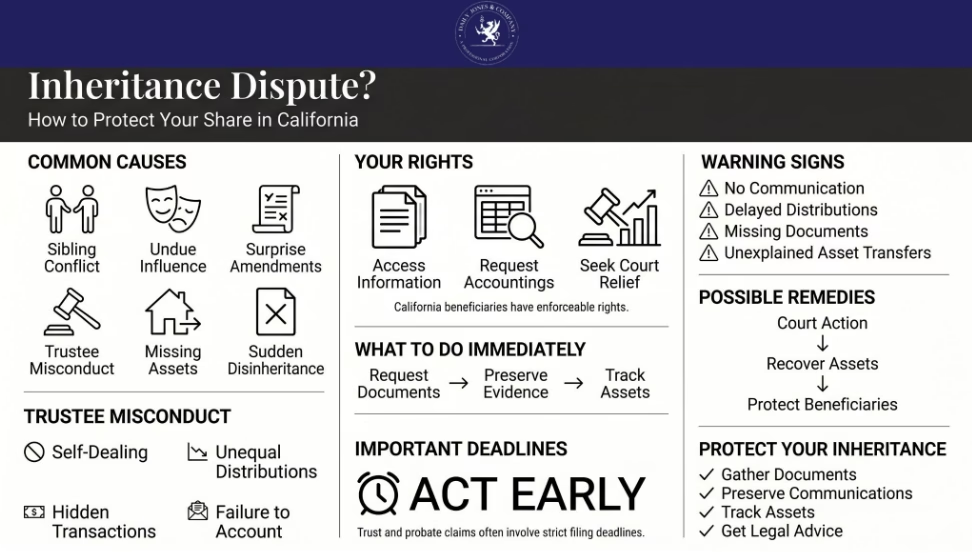
Common Causes of Inheritance Disputes in California
Most inheritance conflicts fall into recognizable patterns. Understanding which one applies to your situation is the first step toward knowing what legal remedy is available.
- Trustee or executor misconduct — self-dealing, delayed distributions, hidden transactions, or refusal to communicate with beneficiaries
- Undue influence — a caregiver, new spouse, or family member manipulating a vulnerable person into changing their estate plan
- Surprise amendments — a trust or will modified late in life under circumstances that suggest pressure or incapacity
- Sibling control — one heir acting as trustee or executor and using that position to benefit themselves at others’ expense
- Missing assets — property, accounts, or valuables that cannot be accounted for after death
- Sudden disinheritance — a beneficiary unexpectedly cut out of a plan that had been consistent for years
Your Rights as a Beneficiary Under California Law
Most people in inheritance disputes don’t know how much legal ground they actually stand on. California law is explicit about beneficiary rights, and enforcing them early is often the most effective way to prevent a dispute from escalating.
Under California Probate Code § 16060, trustees have a statutory duty to keep beneficiaries reasonably informed about the trust and its administration. A trustee who refuses to communicate, withholds documents, or ignores requests for information is violating this obligation — and that violation is actionable. Under California Probate Code § 16062, beneficiaries can formally demand a trust accounting, which must detail all assets, transactions, disbursements, and distributions. Accountings are one of the most powerful tools available in an inheritance dispute — they expose what moved, where it went, and who authorized it.
Warning Signs an Inheritance Dispute May Be Developing
Inheritance disputes rarely surface as sudden crises. They usually follow a slow pattern that beneficiaries can recognize if they know what to look for.
- A trustee or executor who stops returning calls or providing updates
- Unexplained delays in distributions without formal notice
- Requests for estate or trust documents that go unanswered
- Estate plan changes made in the final months of the decedent’s life
- A caregiver or new confidant who gained unusual control over the decedent
- One family member controlling all estate access and communication
- Financial accounts or property that cannot be located or explained
Under California Welfare and Institutions Code § 15610.70, courts evaluate undue influence through the lens of vulnerability, authority, isolation, and inequitable outcome — the same patterns listed above. Recognizing them early creates options; waiting eliminates them.
Trustee and Executor Misconduct
What Constitutes a Breach
Trustees and executors are fiduciaries — they are legally obligated to act in the interest of the estate and its beneficiaries, not their own. Common breaches include self-dealing (using trust assets for personal benefit), making distributions that favor one beneficiary without authorization, failing to invest or manage assets prudently, and concealing transactions from co-beneficiaries.
What Remedies Are Available
California Probate Code § 16420 provides courts with broad authority to respond to breach of trust: ordering trustees to restore misappropriated assets, imposing surcharge damages, voiding unauthorized transactions, and removing the trustee entirely. In urgent situations — where distributions are being made that may be difficult to reverse — a petition under California Probate Code § 17200 can seek emergency relief, including freezing distributions while litigation proceeds.
What to Do Immediately If You Suspect a Problem
Acting quickly preserves both evidence and legal options. If something about the estate or trust feels wrong, take these steps before consulting counsel:
- Request copies of all relevant documents — the trust, any amendments, and the will if applicable
- Preserve all communications — texts, emails, and voicemails involving the estate or the decedent’s final months
- Track financial activity — note any accounts, property, or assets you’re aware of and whether they can still be accounted for
- Do not sign waivers or releases — executors and trustees sometimes request signatures that waive future legal rights; get legal review first
- Note deadlines — if you’ve received a formal trust notice under California Probate Code § 16061.7, the 120-day contest window under § 16061.8 is already running
If estate assets may have been wrongfully transferred or concealed, California Probate Code § 850 provides a mechanism to petition for their recovery — even if those assets were moved before or after death.
Probate Disputes vs. Trust Disputes
Whether your dispute involves a will going through California’s probate process or a living trust operating outside it affects both the deadlines that apply and the court procedures involved.
Probate disputes — challenges to a will, objections to executor conduct, or creditor claims — are administered through the probate court with notice requirements and hearings governed by the probate timeline. Trust disputes involve a separate framework: beneficiary notification under § 16061.7, a 120-day contest deadline under § 16061.8, and petitions filed under § 17200. Many estates involve both a will and a trust, which means both frameworks may apply simultaneously. Knowing which governs which asset is essential before filing anything.
Contact The Daily Jones and Company to Protect Your Rights
The difference between a resolved inheritance dispute and a permanently lost claim often comes down to how quickly a beneficiary acts. Evidence disappears, assets move, and deadlines close — sometimes before a beneficiary fully understands what’s happening.
James Daily and the litigation team at The Daily Jones and Company have spent over 30 years representing beneficiaries, heirs, and families in fiduciary abuse, trust litigation, and complex probate disputes — including matters involving elder exploitation, hidden assets, and international asset recovery. If you suspect your inheritance rights are at risk, contact the firm for a free consultation and get a clear picture of your options before the window to act closes.
Frequently Asked Questions
Can a trustee legally withhold distributions from beneficiaries?
A trustee can delay distributions when there are legitimate administrative reasons — outstanding debts, pending tax filings, or unresolved claims against the estate. However, indefinite delays, distributions to some beneficiaries but not others without authorization, and refusals to communicate are potential breaches of fiduciary duty actionable under California Probate Code § 16420.
What can I do if I think estate assets are missing?
If you have reason to believe assets were wrongfully transferred or concealed — before or after death — California Probate Code § 850 allows an interested person to file a petition to recover those assets. Courts can order their return, void the transfers, and in some cases impose liability on the person who received them.
Can I force a trustee to provide financial records?
Yes. Under California Probate Code § 16062, beneficiaries have a right to a formal trust accounting detailing all assets, transactions, and disbursements. A trustee who refuses to provide this can be compelled by court order through a petition under § 17200. That refusal may itself become evidence of broader misconduct.
What if I suspect undue influence affected the estate plan?
Document everything you can about the circumstances surrounding the estate plan change: who had access to the decedent, when the change was made, how the decedent’s health was at the time, and whether their relationship with certain individuals changed noticeably in their final months. California courts evaluate undue influence through vulnerability, authority, isolation, and inequitable outcome — patterns that witnesses and records can often establish.
How long do inheritance disputes typically take to resolve?
Disputes that resolve through mediation or early negotiation can conclude in a few months. Contested matters that proceed to probate court litigation typically take one to three years depending on complexity and court scheduling. Many disputes settle once a formal accounting is demanded or litigation begins and evidence is exchanged.
Is there a deadline to raise an inheritance dispute?
Deadlines depend on the type of dispute. Trust contests must be filed within 120 days of the trustee’s § 16061.7 notification. Will contests must be filed within 120 days of probate admission under Probate Code § 8270. Other claims — such as trustee misconduct or breach of fiduciary duty — have their own limitation periods. Acting immediately after identifying a problem is always the safest position.
Do I need an attorney to protect my inheritance rights?
Technically, some probate petitions can be filed without an attorney — but inheritance disputes involving fiduciary misconduct, trust contests, concealed assets, or undue influence are document-intensive, strategically complex, and deadline-sensitive. The cost of a misstep — a missed deadline, a signed waiver, an unpreserved piece of evidence — can permanently eliminate legal options that a probate litigation attorney would have protected.


